

Why Timber Remains Unmatched in Sustainability

As sustainability becomes more vital, timber remains one of the most eco-friendly materials you can choose. While negative headlines sometimes focus on parts of the forestry industry, it’s important to understand the bigger picture. Timber largely comes from an industry that takes great care to protect our planet’s forests.
Timber is a natural, renewable resource that helps combat climate change. Trees absorb carbon dioxide as they grow, and when used in buildings or products, that carbon stays stored in the wood. Compared to materials like concrete and steel, timber requires far less energy to produce, resulting in fewer emissions and less environmental impact.
Understanding Certification
Many timber products are certified by bodies like the Forest Stewardship Council (FSC) and the Programme for the Endorsement of Forest Certification (PEFC). These certifications are important because they guarantee that the wood comes from forests managed sustainably, with respect for biodiversity, local communities, and long-term forest health.
Certification schemes do not only monitor the chain of custody, where the timber starts and ends up, protecting wildlife habitats, and maintaining the ecosystem’s balance—giving consumers confidence in the timber they purchase.
Why Certification Isn’t the Whole Story
However, it’s crucial to realise that FSC and PEFC certifications, while valuable, don’t tell the entire story—especially in places like the United States. Here, the majority of forests are privately owned, and many landowners choose not to seek formal certification. This doesn’t mean their forestry practices are irresponsible.
In fact, many private landowners have been managing their forests sustainably for generations, following ecological principles without the need for certification. They carefully balance timber harvesting with conservation, ensuring the health of the land over time.
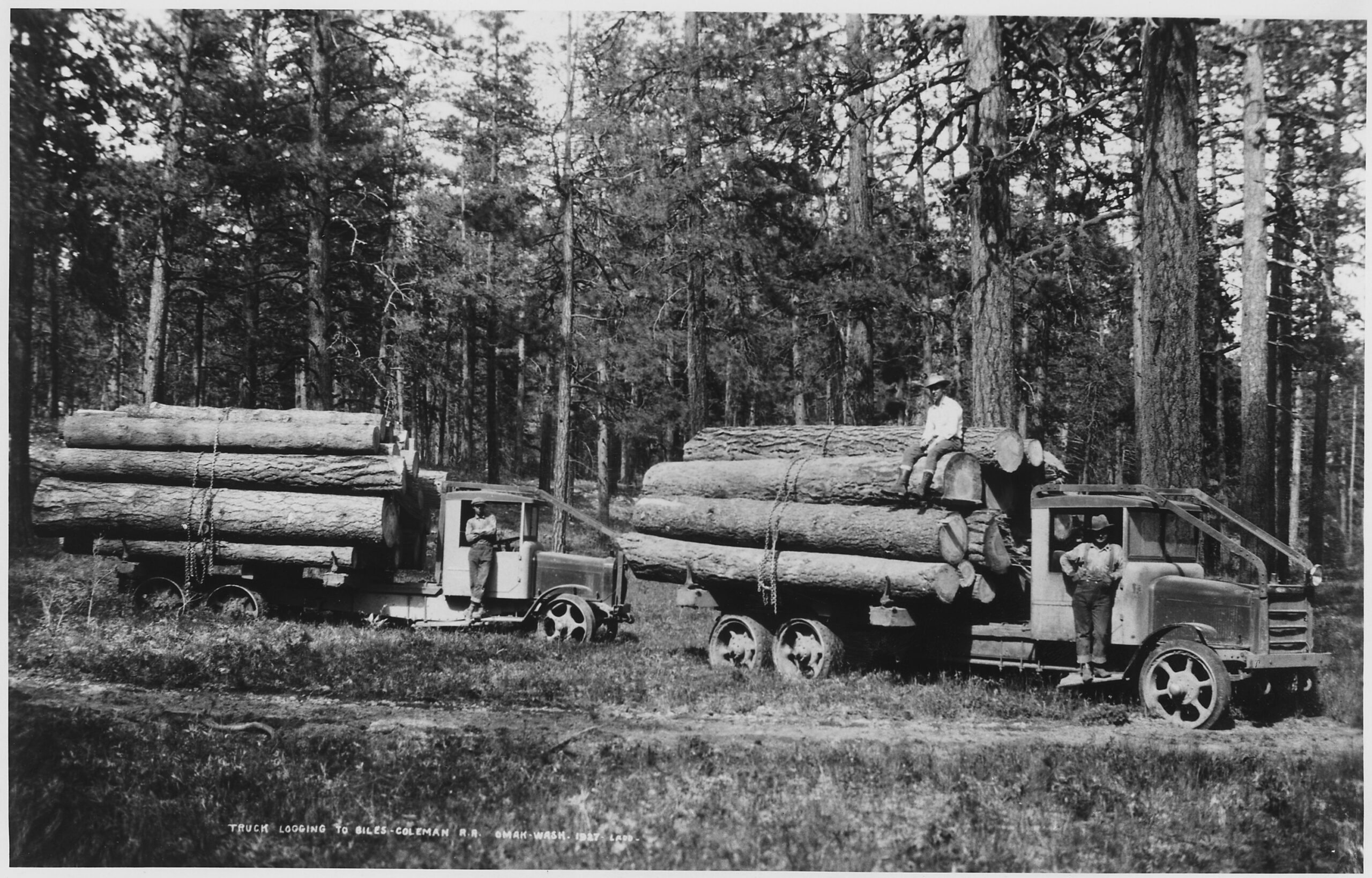
A good example comes from the Seneca Creek study, which examined privately owned forests in the US and found that these lands are managed with great care and ecological sensitivity, even without the formal certifications common elsewhere. These landowners have a deep connection to their land and a vested interest in maintaining its productivity and biodiversity. They are generational businesses.
So, while FSC and PEFC labels are excellent guides for sustainable timber, they represent only part of the global forestry picture. Many responsible forest stewards operate outside these certification systems yet contribute significantly to ecological forest management.
Why Choose Timber? Here’s a Quick Summary:
Sustainability: Timber is renewable, recyclable, and naturally biodegradable.
Carbon Storage: Trees absorb carbon, and timber holds it for years.
Energy Efficiency: Producing timber uses far less energy than alternatives.
Certified Responsibility: FSC and PEFC certifications continue to ensure ethical forest management.
Uncertified Stewardship: Many private landowners manage forests sustainably without certification, particularly in the US.
The forestry industry is deeply committed to sustainable practices — occasional negative stories rarely show the full picture.
Please don’t hesitate to give us a call or drop in to quiz us on anything related to our sourcing, we are very proud of it.
Or continue your environmental learning here with further detail on sourcing from the US.
Blog | 3 weeks AGO